CeraVe Looks to India for Skincare Solutions Against Heat, Humidity and Pollution
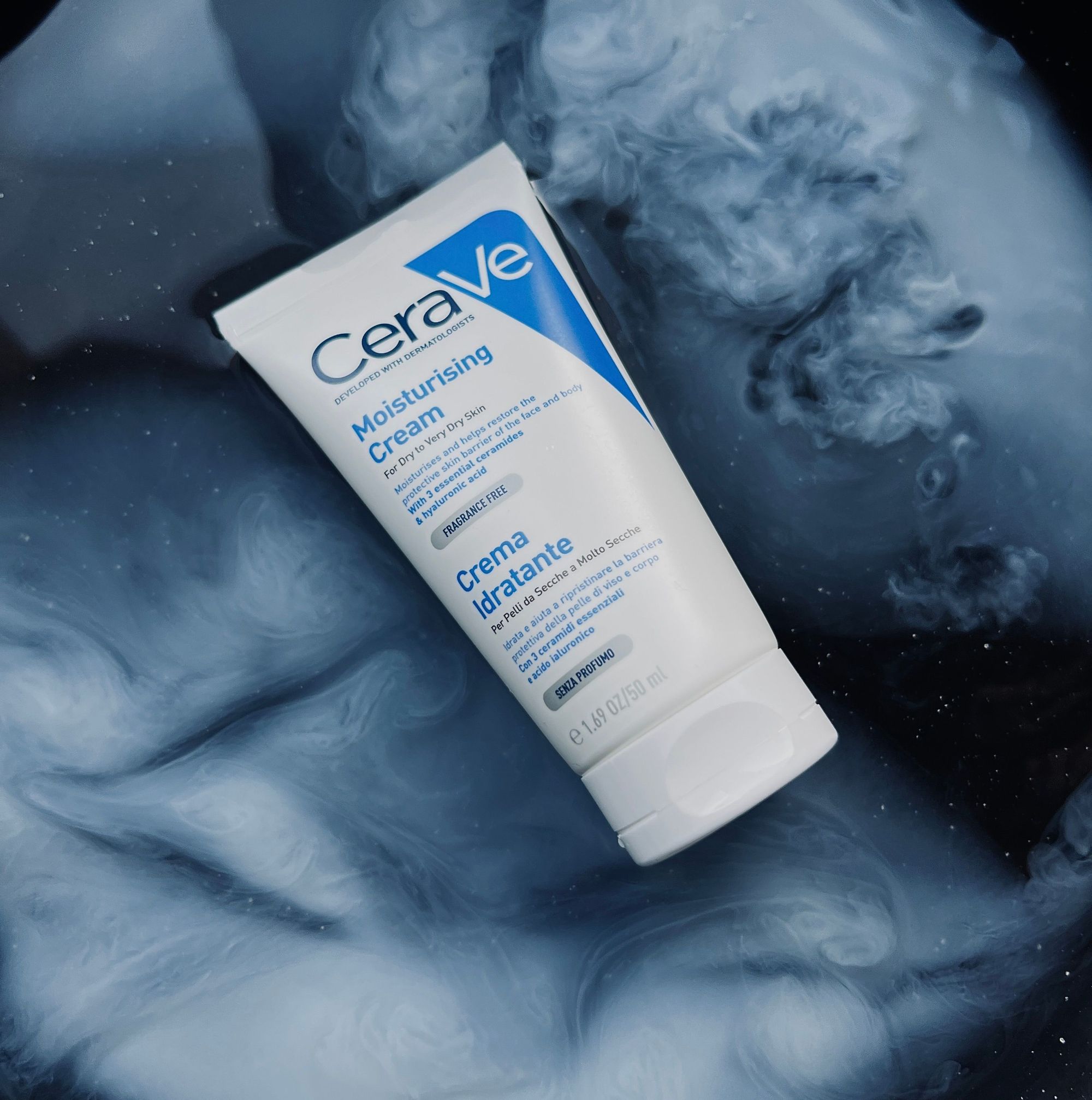
CeraVe is looking to India for insights that could influence how skincare products are developed for hot, humid and polluted environments.
The L'Oréal-owned skincare brand is studying the Indian market as it considers how factors such as high temperatures, humidity and air pollution affect skin health and product performance. India provides a particularly relevant setting for this work, with significant regional differences in climate and widespread exposure to environmental pollutants.
High humidity can affect sebum production and leave some consumers experiencing increased oiliness, while heat and sweating can make certain skincare formulations feel heavy or uncomfortable. Pollution presents a separate challenge, with fine particles capable of settling on the skin and contributing to oxidative stress.
These conditions are increasingly influencing product development. Formulations designed for temperate climates may not always provide the same user experience in warmer environments, particularly when consumers are combining moisturisers, sunscreens and other treatment products.
CeraVe's interest in India also reflects the growing importance of regional research for international skincare companies. Instead of relying entirely on product testing conducted in Western markets, brands are paying greater attention to how environmental and lifestyle differences can affect the skin.
The findings could have relevance well beyond India. Markets across Africa, Southeast Asia and the Middle East face similar combinations of heat, humidity, intense sunlight and urban pollution, creating opportunities for products developed specifically for these conditions.
India is also an increasingly important beauty market, with consumers showing strong interest in dermatological skincare and ingredient-led products. That makes the country useful not only as a research environment but also as a market in which brands can observe changing consumer expectations.
For CeraVe, the focus on India could ultimately contribute to products and routines better suited to demanding climates. It also points to a broader shift in skincare development, where environmental conditions are becoming an increasingly important consideration alongside skin type, age and individual concerns.